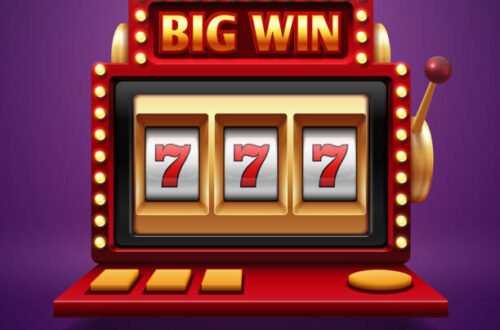
In the new digitalized reality, the risk is not limited to poker tables with high stakes or risky voyages. It has been an ingredient in our daily amusement that has been worked out. Since simple mobile games and even social media streaks, technology platforms have discovered how to turn micro-decisions into mini-adventures that satisfy curiosity and dopamine loops in a way that is exciting and non-threatening at the same time.
The Betting Thrill of Daily Diversions.
Human beings are programmed to seek out uncertainty, even when they are not in a casino. It is a little bet–will this post go viral? Will I unlock a new level?–gives a rush of the kind more characteristic of more traditional types of risk-taking. It is these elements of suspense that establish anticipation, dopamine release, and provide the user with accomplishment at a low cost.
Examples of platforms that can be used to realize this principle include Dragon Slots casino DE and Dragon Slots casino IT. Although these brands operate in regulated gambling environments, their mechanics, including micro-rewards, variable outcomes, and near-misses, replicate design strategies used in non-gambling digital apps. In reality, we are being entertained by controlled risk in a way that feels totally normal.
Table 1: Dangerous and Safety activities of everyday life.
| Activity Type | Perceived Risk | Actual Risk | Engagement Trigger |
| Stock trading app | Medium | Medium-High | Financial stakes, instant feedback |
| Casual mobile game | Low | Low | Variable rewards, progression cues |
| Online puzzle challenge | Low | Low | Dopamine from completion, streak maintenance |
| Social media posting | Low | Low | Anticipation of likes/shares, social reinforcement |
One can easily understand how safe risk turns into a habit- we react to the lack of certainty as we do to high stakes when it is not.
Risk and Reward: The Neuroscience.
The brain’s reward system is the most fundamental aspect of this phenomenon. We get a release of dopamine when we take risks, pressing a button in a mobile game, or a digital wheel, etc. This neurotransmitter plays a key role in learning and addiction.
Dopamine Loops and Variable Rewards.
Unpredictable rewards, such as variable rewards, such as winning or meeting a milestone, are more effective than consistent rewards. Whenever the brain anticipates a potential reward, it is involved in a feedback process: excitement, risk assessment, and the receipt of a reward.
Decision Fatigue and Cognitive Biases.
Cognitive biases are also exploited on digital platforms. The optimism bias makes us believe we will win next time. The delusion of control convinces us that our choices have a greater impact on the results than they do. Combined with decision fatigue, the dwindling capability to pursue rational decisions after successive micro-decisions, users are now open to experiencing low-stakes “risk” over and over again.
Table 2: It shows the brain response to various kinds of digital rewards.
| Reward Type | Dopamine Response | Behavioral Effect |
| Randomized reward (spin/loot box) | High | Increased engagement, repeated attempts |
| Guaranteed reward (daily login bonus) | Moderate | Sustains habit, less excitement |
| Near-miss outcome | Very High | Encourages continued participation |
| Social reward (likes/shares) | Moderate-High | Reinforces sharing, peer-driven behavior |
These powerful mechanisms keep us glued to apps for hours, immersing us in simulated risk that feels harmless—yet compels us to keep playing, scrolling, or clicking for that next “win.”
Technological Platforms make Risk entertainment.
Digital entertainment has succeeded in creating experiences where risk is not threatening but instead makes it fun. Tools that were previously the preserve of gambling have been incorporated into mainstream apps: spinning wheels, loot boxes, streaks, and leaderboards.
Gaming sites such as Dragon Slots casino DE and Dragon Slots casino IT have mastered this equilibrium in the gaming environment. Still, its reach is everywhere, in mobile strategy games and fantasy sports applications. Users get sucked into cycles of expectation, gratification, and small gains, and sometimes do not even notice how these interactions have been crafted over time.
Competitive and Social Factors.
The peer pressure increases the excitement. Social pressure and gratification are achieved through leaderboards, streaks, and achievements. Winning is not just a personal triumph; it is also an indication of competence and involvement. This social stratum adds the risk perception and keeps the digital participation safe.
Design Wizards That Make Risk Fun.
Imagery and sound play an important role. The word win, light effects, jubilant cartoon imagery, all this causes a sense of gratification immediately. They maintain user interest, combined with an unpredictable reward system that cleverly hides the mechanics of repetitive behavior.
Expansive Digital Space and Implications.
Although the casino-like mechanisms are also found in the context of gambling platforms, the same approach is spread all over the non-gaming environment. Micro-risks and variable rewards are used to retain attention in fantasy sports, social media competitions, and even online educational programs.
Digital Risk vs Reality vs Perception.
Digital engagement has high stakes that users do not take seriously. An apparently benign day-to-day spin or challenge might add time of attention, sway buying behavior, or establish robust behavioral models. The understanding of these mechanisms, in terms of the interplay between dopamine loops, cognitive bias, and decision fatigue, is beneficial in understanding why even routine activities can be made into an everyday mini-adventure when using technology.
Table 3: Perceived vs Actual Risk Digital Activities.
| Platform Type | Perceived Risk | Actual Risk | Engagement Metric |
| Online casino | Medium | Medium-High | Spins per day, wagers |
| Social media challenges | Low | Low | Time spent, likes, shares |
| Mobile strategy games | Low | Low | Session frequency, progression |
| Stock trading apps | Medium | Medium-High | Transactions, portfolio fluctuation |
According to experts in behavioral economics, the stakes might seem minimal, but repetitive exposure to micro-risk might influence decision-making, attention, and even emotion regulation.