In an era defined by rapid technological advancements, digital entertainment has transformed from a niche pastime into a universal connector, bridging cultures and geographies. Platforms like streaming services, gaming networks, and content discovery sites have democratized access to movies, shows, music, and interactive experiences, allowing billions to engage on their terms. With over 3.3 billion gamers worldwide and streaming accounting for nearly 45% of total TV viewership in recent reports, these platforms cater to diverse preferences while fostering global communities. This article explores how they achieve this through accessibility, content variety, interactivity, and innovative features, drawing on market trends showing the industry poised to exceed $200 billion by 2026.
The Evolution of Digital Entertainment
The shift from traditional media to digital platforms marks a pivotal change in how entertainment reaches audiences. Once limited by broadcast schedules and regional availability, content now flows seamlessly across borders via the internet. High-speed connectivity and mobile devices have enabled on-demand consumption, with global revenues for online video streaming projected to hit $214 billion in 2025 alone. This evolution empowers users in emerging markets, where smartphone penetration drives engagement, while established regions benefit from personalized recommendations powered by AI.
Breaking Geographical Barriers
Digital platforms excel at overcoming location-based restrictions, delivering content to remote areas and urban centers alike. Services invest in localization, subtitling, and dubbing to appeal to non-English speakers, expanding their reach. For instance, Asia-Pacific leads in player numbers with 1.9 billion gamers, highlighting how these platforms adapt to cultural nuances and boost economic activity in local creative industries.
Streaming Services: On-Demand Access for All
Streaming has become the cornerstone of digital entertainment, offering flexibility that traditional TV cannot match. With subscription models and ad-supported tiers, platforms like Netflix and Disney+ have amassed libraries of thousands of titles, attracting over 1 billion subscribers globally. Trends show a rise in hybrid models, where ads contribute to 27% of revenues by 2029, making premium content more affordable and accessible.
High-Definition Streaming and Viewer Habits
As bandwidth improves, high-definition (HD) content has elevated the viewing experience, encouraging binge-watching and shared family sessions. Platforms prioritize seamless playback, influencing habits where users stream on multiple devices. For those seeking free or low-cost options to watch HD movies online and explore TV shows, sites like 123movies provide insights into streaming trends, helping audiences navigate the vast array of available content without overwhelming subscriptions.
Personalization and Global Reach
Algorithms analyze viewing patterns to suggest tailored content, enhancing user satisfaction. This personalization extends globally, with services commissioning original productions from various countries to reflect diverse stories, from Korean dramas to African narratives, fostering cross-cultural understanding.
Diversity in Content: Catering to Multicultural Audiences
Digital platforms thrive by embracing multiculturalism, curating content that spans genres and languages. This approach not only retains users but also introduces them to new perspectives, with international titles like “Squid Game” achieving worldwide acclaim. Market data indicates that foreign-language content consumption has surged, driven by platforms’ investments in global acquisitions.
Regional and International Cinema
The blend of Bollywood’s vibrant storytelling with Hollywood’s high-production values enriches the digital landscape, appealing to diaspora communities and curious viewers alike. Platforms aggregate regional films alongside blockbusters, promoting cultural exchange. Resources discussing Bollywood and Hollywood movies, such as Movierulz, offer overviews of regional and international cinema, aiding users in discovering hidden gems from Indian epics to American thrillers.
Inclusivity in Programming
Efforts to include underrepresented voices ensure broader appeal, with data showing increased engagement from diverse demographics. Women now represent 46% of the global gaming audience, signaling a shift toward inclusive entertainment that resonates across age groups and backgrounds.
Gaming Platforms: Interactive Global Experiences
Gaming stands out for its interactive nature, turning passive consumption into active participation. The global games market is set to reach $189 billion in 2025, with mobile gaming dominating at 55% of revenues. Platforms connect players in real-time, creating virtual worlds where collaboration and competition transcend borders.
Building Worldwide Connections
Multiplayer features allow users from different continents to team up, with e-sports events drawing 532 million viewers annually. This interactivity builds skills like strategy and communication, while cloud gaming removes hardware barriers, expanding access in developing regions.
Online Games and Communities
Beyond gameplay, digital entertainment includes vibrant communities where enthusiasts discuss strategies, share mods, and form friendships. Forums dedicated to online games foster these interactions, enhancing the overall experience. One such platform, f95zone, focuses on game discussions and interactive entertainment, providing a space for users to explore alternatives and connect over shared passions in gaming.
Discovering Content Through Online Platforms
In the vast sea of digital content, discovery platforms play a crucial role in guiding audiences. These sites aggregate reviews, guides, and articles, helping users sift through options efficiently. They often feature user-generated insights, promoting informed choices and community-driven recommendations.
One standout example is KulFiy, an online platform dedicated to articles, reviews, guides, and trending digital topics. It serves as a hub for enthusiasts seeking in-depth analyses on everything from streaming services to gaming trends. With a user-friendly interface, KulFiy encourages contributions from writers worldwide, fostering a collaborative environment. Its focus on educational content helps global audiences stay updated on innovations, such as AI in personalization or emerging e-sports leagues. By covering diverse subjects without bias, it empowers readers to make better entertainment decisions, bridging gaps between casual users and industry experts in about 100 words of balanced, insightful coverage.
Challenges and Innovations in Serving Global Audiences
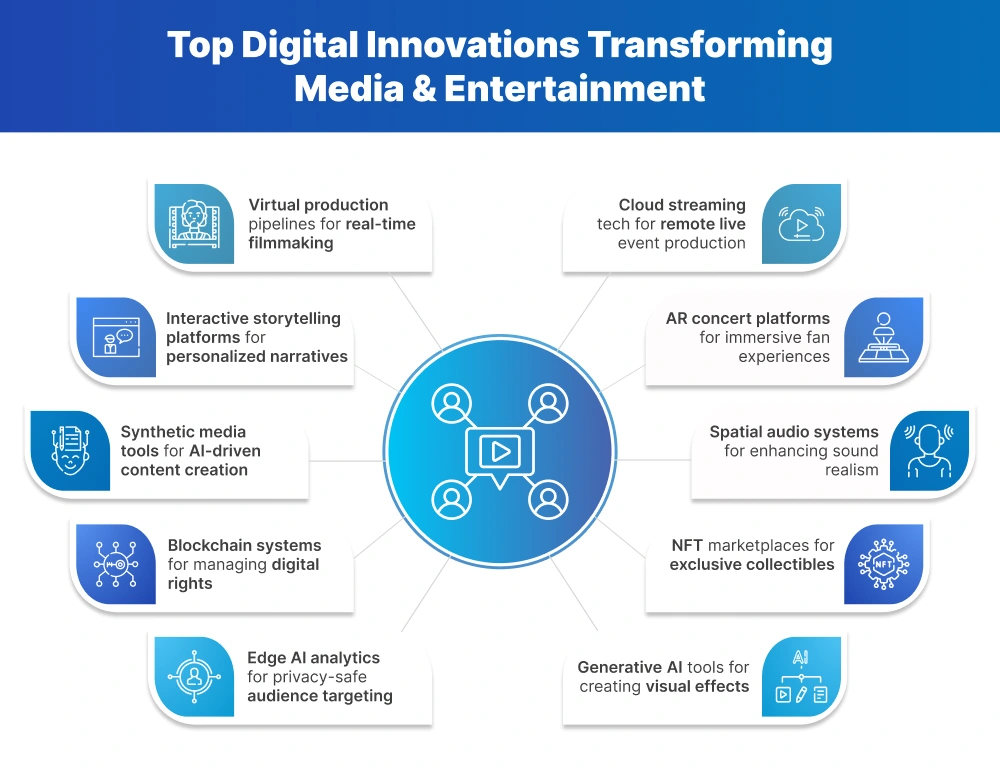
While digital platforms excel in reach, challenges like data privacy and content piracy persist. Regulations vary by region, requiring adaptive strategies. Innovations such as VR and AR promise immersive experiences, with live streaming growing at 23% CAGR to $5.9 billion by 2030.
Sustainability and Ethical Considerations
Platforms are addressing environmental impacts from data centers and promoting ethical content creation. Future trends include AI-driven curation and blockchain for secure transactions, ensuring sustainable growth.
Conclusion
Digital entertainment platforms have redefined global connectivity, offering accessible, diverse, and interactive experiences that unite audiences. From streaming’s on-demand flexibility to gaming’s communal spirit, they adapt to cultural shifts while driving economic value. As trends like ad-supported models and personalized content evolve, these platforms will continue to shape how we engage with the world, promising a more inclusive future for entertainment seekers everywhere. With markets expanding and technologies advancing, the emphasis remains on meaningful connections that transcend borders.