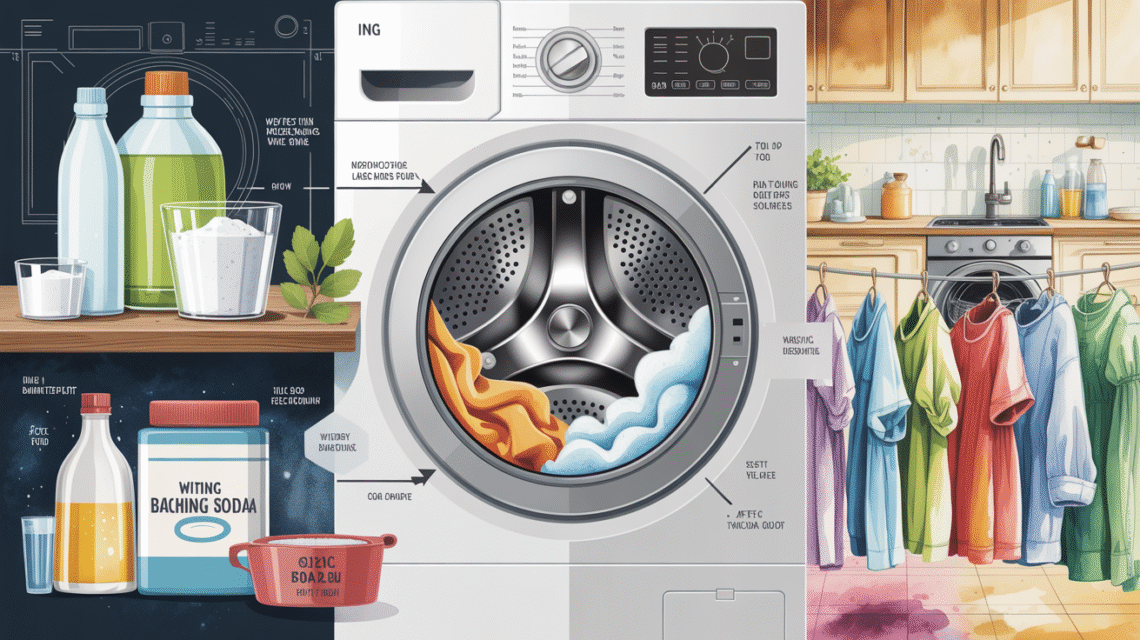
How to Clean a Washing Machine is an important task that many people forget. A clean washing machine keeps your clothes fresh and removes bad smells. Over time, dirt, soap, and mildew can build up inside your washer. This can make your clothes look dirty and even damage your washing machine. Learning how to clean a washing machine is simple and does not take much time. You can use things you already have at home, like vinegar, baking soda, and warm water. Regular cleaning also helps your washing machine work better and last longer. If you clean it once a month, it will stay safe from mold, germs, and bad odors. A clean washing machine also saves energy and makes your laundry smell nice and fresh every time you do it.
Cleaning a washing machine is easy if you follow the right steps. First, you should remove any clothes and check the drum for dirt or small items. Then, use a mixture of vinegar and baking soda to clean the drum, door, and detergent drawer. Wipe the rubber seals carefully because dirt can hide there. For top-loading machines, fill it with hot water and add cleaning solutions. Let it run on a full cycle without clothes to remove buildup. Don’t forget to clean the filters and hoses, as they can collect dirt over time. After cleaning, leave the door open to let it dry completely. Doing this regularly keeps your washing machine fresh and your clothes clean. Knowing how to clean a washing machine properly can save you from expensive repairs and keep your home healthy.
Why You Should Clean Your Washing Machine
Many people do not know that washing machines can get very dirty inside. Dirt, leftover detergent, hair, and mold can build up over time. This can make your clothes smell bad even after washing. Cleaning your washing machine prevents germs, keeps your clothes clean, and protects your machine from damage. A clean washing machine also works better and uses less electricity. If you clean it regularly, it will last for many years. Cleaning your washing machine is not just about hygiene; it also saves money on repairs and keeps your laundry smelling fresh and looking clean.

How to Clean a Washing Machine Drum
The drum is where your clothes are washed, and it can collect soap, dirt, and mildew. To clean the drum, start by removing all clothes and any loose dirt. For front-loading machines, use a mixture of vinegar and baking soda. Add half a cup of baking soda and one cup of vinegar into the drum. Run the machine on the hottest and longest cycle without clothes. For top-loading machines, fill the drum with hot water, then add vinegar and baking soda. Let the machine run for a few minutes, then pause and let the solution sit for an hour. This helps remove dirt and bad smells. After that, run a full cycle to rinse.
Cleaning the Rubber Seals and Gaskets
The rubber seals around the door are easy to forget, but they can hold dirt and mold. Open the door and carefully wipe the seals with a cloth soaked in vinegar or a mild cleaning solution. Pull back the rubber gently to clean hidden areas. If you see mold, use a soft brush to remove it. Dry the seals completely after cleaning. Regular cleaning of rubber seals prevents bad smells and keeps your washing machine safe from germs.
How to Clean the Detergent Drawer
The detergent drawer can get sticky and dirty because soap and fabric softener can build up over time. Remove the drawer and soak it in warm water. Use a small brush or cloth to clean all corners and remove leftover detergent. Rinse well and dry it before putting it back in the machine. Cleaning the detergent drawer ensures that soap flows properly and your clothes are cleaned well.
Cleaning the Washing Machine Filter
Most washing machines have a filter that collects dirt, hair, and small objects. A clogged filter can make your machine slow and noisy. Check your washing machine manual to find the filter. Remove it carefully, rinse it under running water, and remove any dirt. Put it back properly after cleaning. Cleaning the filter regularly keeps your washing machine running smoothly and prevents blockages.
How to Clean Washing Machine Hoses
Hoses can also collect dirt and soap over time. Disconnect the hoses and flush them with water to remove any buildup. Check for cracks or leaks. Replace the hoses if they are damaged. Clean hoses help your washing machine work efficiently and prevent water leakage.
Using Vinegar and Baking Soda
Vinegar and baking soda are safe and natural cleaning agents. They remove dirt, soap residue, and bad smells. Use them in the drum, seals, and detergent drawer. For a stronger cleaning solution, mix one cup of vinegar with half a cup of baking soda. Run your washing machine on a hot cycle without clothes. Vinegar kills germs, and baking soda removes odors. These ingredients are inexpensive and eco-friendly, making them the best choice for regular washing machine cleaning.

Using Commercial Washing Machine Cleaners
If you prefer, you can also use commercial washing machine cleaners. These products are designed to remove dirt, soap scum, and odors. Follow the instructions on the package carefully. Use these cleaners occasionally along with vinegar and baking soda for deep cleaning. Commercial cleaners can make your machine smell fresh and clean quickly.
Tips to Keep Your Washing Machine Clean
- Wipe the drum and rubber seals after every wash.
- Leave the door open after washing to let the machine dry.
- Clean the detergent drawer and filter monthly.
- Run a hot water cycle with vinegar or baking soda once a month.
- Avoid overloading the machine to prevent soap buildup.
- Check hoses and replace if damaged.
- Remove clothes promptly after washing to prevent mold.
How to Clean a Front-Loading Washing Machine
Front-loading machines are more prone to mold because water can get trapped in the door seals. Clean the drum, seals, and detergent drawer regularly. Use vinegar and baking soda for deep cleaning. Run a monthly hot cycle without clothes to remove any residue. Wipe the door and seals after every wash to prevent odors.
How to Clean a Top-Loading Washing Machine
Top-loading machines are easier to clean because you can reach the drum easily. Fill the drum with hot water, add vinegar and baking soda, and let it sit for a while. Run a complete cycle without clothes. Wipe the lid, drum, and detergent drawer after cleaning. Check the filter and hoses regularly. Top-loading machines also need monthly deep cleaning to stay fresh.
How Often Should You Clean Your Washing Machine
Cleaning your washing machine once a month is enough for regular use. If you use your washer daily or have hard water, clean it more often. Regular cleaning prevents bad smells, removes dirt and soap buildup, and keeps your washing machine running smoothly. It also protects your clothes and home from germs and mold.
Benefits of Cleaning Your Washing Machine
- Keeps clothes fresh and clean.
- Prevents mold, mildew, and odors.
- Extends the life of your washing machine.
- Saves energy and water.
- Reduces repairs and maintenance costs.
- Creates a healthy home environment.
Common Mistakes to Avoid
- Using too much detergent can cause buildup.
- Forgetting to clean the rubber seals and detergent drawer.
- Not running hot water cycles regularly.
- Ignoring clogged filters and hoses.
- Keeping the door closed after washing.
- Using harsh chemicals that damage the machine.
Quick Cleaning Routine
For quick cleaning, wipe the drum, door, and seals after every wash. Remove any leftover detergent and keep the door open. Use vinegar or baking soda once a week for a fast freshening. This keeps your machine clean without spending much time.
How to Clean Washing Machine Naturally
Using natural ingredients like vinegar, baking soda, and lemon juice is safe and eco-friendly. Mix vinegar and baking soda to clean the drum, seals, and detergent drawer. Lemon juice can remove tough stains and smells. Natural cleaning avoids chemicals that may harm your washing machine or the environment.
Signs Your Washing Machine Needs Cleaning
- Bad odor inside the drum.
- Mold or mildew on seals or drawer.
- Clothes coming out dirty or smelling bad.
- Slow draining or noisy operation.
- Soap residue left on clothes.
Cleaning your machine as soon as you notice these signs prevents bigger problems and keeps your washer in good condition.

Maintaining a Clean Washing Machine
To maintain cleanliness, follow these tips: run monthly hot cycles, wipe seals after every use, check filters and hoses, and avoid overloading. Using the right detergent and softener in proper amounts also helps. A maintained washing machine lasts longer, saves energy, and keeps your clothes clean and fresh.
Conclusion
Learning how to clean a washing machine is simple but very important. Regular cleaning keeps your machine fresh, removes bad odors, prevents mold, and protects your clothes. You don’t need expensive cleaners—vinegar, baking soda, and water are enough for most cleaning tasks. Clean every part of the machine, including the drum, rubber seals, detergent drawer, filters, and hoses. Follow a routine, avoid mistakes, and maintain your machine for long-lasting performance. A clean washing machine saves energy, prevents repairs, and keeps your laundry fresh every time.
FAQs
Q1: How often should I clean my washing machine?
You should clean your washing machine at least once a month. If you use it daily or have hard water, clean it more often.
Q2: Can I use bleach to clean my washing machine?
Yes, bleach can be used occasionally for deep cleaning, but vinegar and baking soda are safer for regular use.
Q3: How do I remove mold from the washing machine?
Use a mixture of vinegar and baking soda or a commercial cleaner. Wipe rubber seals carefully and run a hot water cycle.