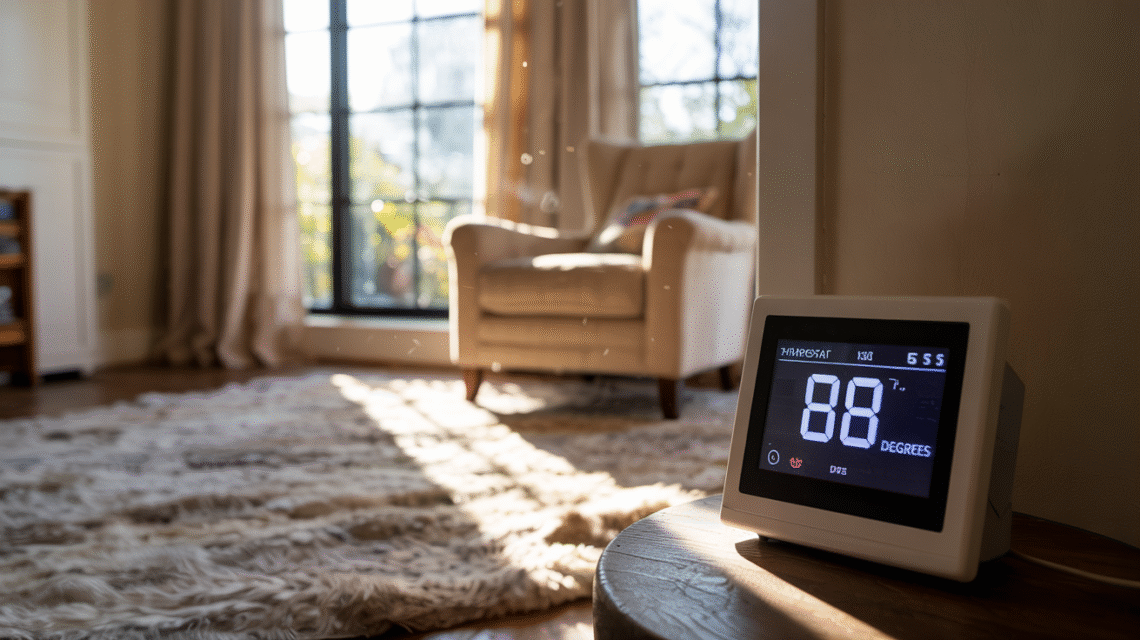
Have you ever walked into a room that just feels cold, even though your furnace is running? You might increase the thermostat, wait patiently, and still notice that some areas of your home refuse to feel comfortable. This can be frustrating, especially during Canada’s long winter months.
Often, the issue isn’t that the furnace itself is broken. Instead, several common factors can prevent heat from reaching certain rooms. Understanding these causes is the first step toward solving the problem and keeping your home evenly warm.
Common Reasons for Cold Spots in Your Home
Below are some of the most common reasons why certain rooms might stay cold even when your furnace is running.
Poor Airflow and Blocked Vents
Air needs to circulate freely for heating to work properly. When vents are blocked by furniture, curtains, or clutter, warm air struggles to reach the intended spaces.
Even small amounts of dust or dirty filters can reduce airflow significantly. This means the furnace may be working hard, but some rooms still stay chilly.
Regularly checking vents, moving obstructions, and keeping filters clean can improve airflow and make a noticeable difference in comfort.
Furnace Limitations
Sometimes, a furnace can run perfectly yet fail to distribute heat evenly. Older furnaces or units with worn-out components may struggle to push warm air to rooms located far from the main system.
This can leave bedrooms on the upper floor or far-off corners noticeably colder than the main living spaces. Small inefficiencies, such as a failing blower motor or clogged internal components, often go unnoticed until certain rooms consistently feel cold.
If you live in Scarborough, professional furnace repair services in Scarborough can inspect your system and ensure heat reaches every room efficiently, restoring comfort throughout your home.
Insulation and Draft Problems
Poor insulation is another common culprit behind cold spots. Heat can escape through walls, ceilings, or attics that aren’t properly insulated, making it difficult for rooms to retain warmth.
Drafts around windows, doors, and even electrical outlets can make a significant difference, causing some rooms to feel colder than others. Even small gaps in insulation can have a noticeable impact on overall comfort.
Adding insulation where needed and sealing drafts can prevent heat loss.
Ductwork Design and Leaks
The layout and condition of your ductwork can have a major effect on heating performance. Leaks in the ducts or long, poorly designed runs can prevent warm air from reaching certain rooms effectively.
Even minor leaks not only reduce the heat delivered but also increase energy consumption, making your furnace work harder. Over time, this can result in persistently cold rooms despite a fully functional furnace.
Having a professional inspect ducts, seal leaks, and optimize airflow can restore even heating across your home and improve overall energy efficiency.
Solutions to Improve Room Warmth
Improving room warmth often starts with simple maintenance. Keeping vents clear, cleaning air filters, and allowing doors to stay open can help warm air circulate more effectively.
Ceiling fans or small portable fans can also assist in distributing warm air, especially to rooms that tend to stay colder.
Long-term solutions, such as sealing drafts, upgrading insulation, and repairing ductwork, ensure consistent heat throughout the home. Combining these strategies with regular furnace maintenance is the most effective way to maintain comfort in every room.
Final Words
Cold rooms are not always a sign that your furnace is broken. More often, they result from airflow restrictions, insulation gaps, drafts, or ductwork issues.
By understanding the underlying causes and addressing them whether through simple maintenance or professional assistance you can enjoy a consistently warm home, even in the chilliest Canadian winters.